
版权 © 2024 太古股份有限公司。本公司保留一切版权。
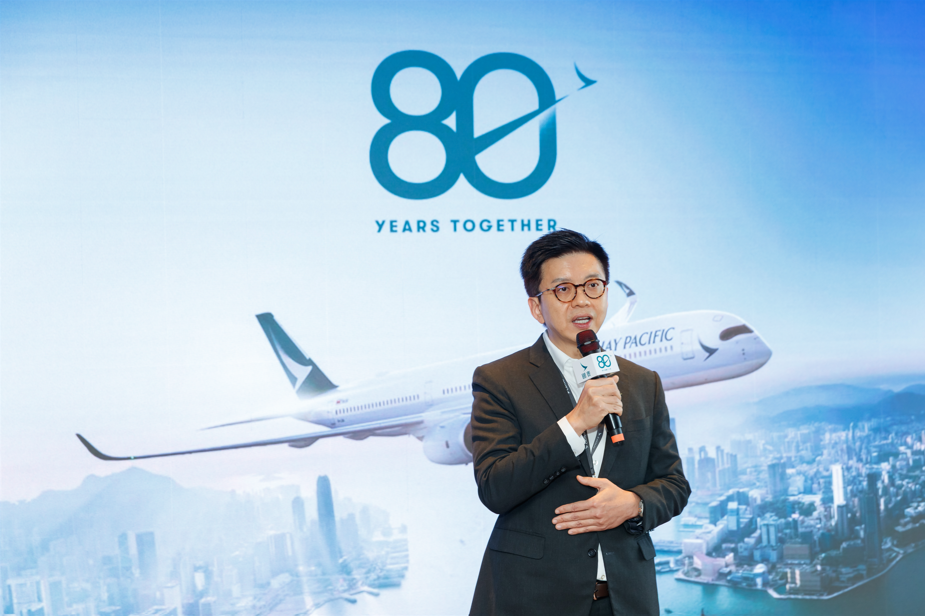
It is said that a journey of a thousand miles begins with a single step. In the case of Cathay, that first step was made eight decades ago. In this issue of Swire News, we find out more about the celebrations taking place throughout 2026. We also explore how the Cathay group is investing for the future and connecting more people, places and markets than ever before.

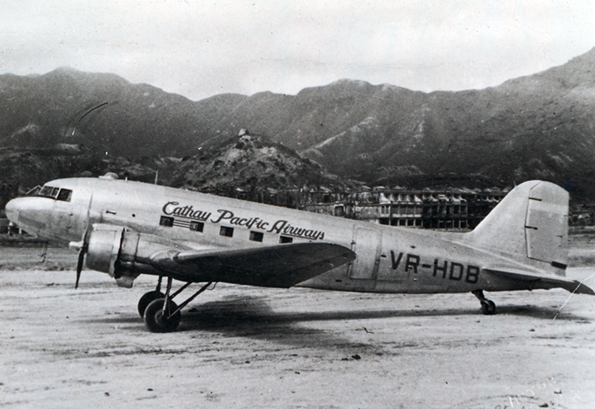
The Cathay group’s (Cathay) modest beginnings date back to 1946 when it was formed as an airline comprising a single DC-3 aircraft, affectionately known as “Betsy”.
Much has changed in the intervening eight decades. Today, Cathay is a truly global brand with a fleet of over 230 aircraft, having grown alongside Hong Kong International Airport – first at Kai Tak, then at Chek Lap Kok – as well as the city itself, and now connects its passengers and cargo to more than 100 destinations around the world.
While the scale of the business has changed dramatically in the past 80 years, its purpose to move people forward in life has remained constant. Cathay still supports travel, trade and opportunities for its home city. Crucially, Cathay is defined by its unique position of having deep roots in Hong Kong, being proudly part of China and connecting the world. Today, Cathay encompasses four complementary lines of business – premium travel via Cathay Pacific, Cathay Cargo, low-cost travel via HK Express, and Cathay Lifestyle – together supporting connectivity for Hong Kong, the Chinese Mainland and beyond.
For Ronald Lam, the Cathay group’s Chief Executive Officer, the journey is especially personal. “I have spent most of the last 30 years of my career at Cathay. When I first joined, Cathay was still operating from one runway at the old airport at Kai Tak. Then, when the airport was moved to Chek Lap Kok, in 1998, it also marked my first day as Manager on Duty. Finally, in 2024, we entered the era of the Three-Runway System and I attended the opening ceremony on behalf of the Cathay group. So, throughout my career, I have seen the development of Hong Kong as an international aviation hub as well as our growth alongside it.”
Strengthening important connections
Hong Kong may well be Cathay’s home market, but in recent years the group has also focused on growing its network in the Chinese Mainland. Currently, it flies to 24 destinations with more than 330 flights per week – with HK Express adding another destination, Wuxi, in July this year – reaching many parts of the country to bring passengers to and from Hong Kong, and beyond. This strategy includes supporting intermodal passenger and cargo connectivity with the rest of the Greater Bay Area (GBA), a megalopolis comprising Hong Kong, Macao and nine cities in Guangdong Province in the Chinese Mainland. Cathay also continues to strengthen its network serving countries taking part in the Belt and Road Initiative, an important global trade strategy.
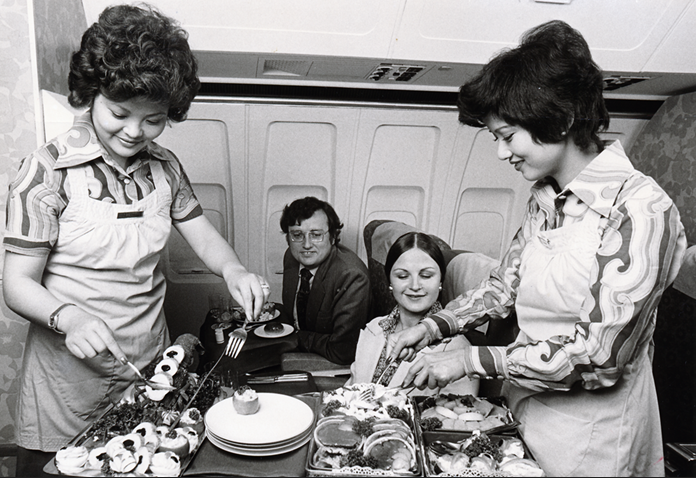
“While we have made progress over the years,” says Ronald, “what hasn’t changed is our commitment to enabling people to travel and cargo trade to flow. In fact, our first flight in 1946 carried cargo supplies from Sydney to Shanghai, via Hong Kong. Our mission to connect people is something that has remained constant over the decades. What makes us unique is we are at the same time the most international Chinese carrier and the most Chinese international carrier. Our dining offerings are an example of this, as we serve Chinese classics alongside Hong Kong flavours and international favourites. But our diversity extends much further, to our cabin crew, our inflight entertainment and more. Cathay is diverse, yet unified. That is something only a home carrier with a history as long as ours can achieve.”
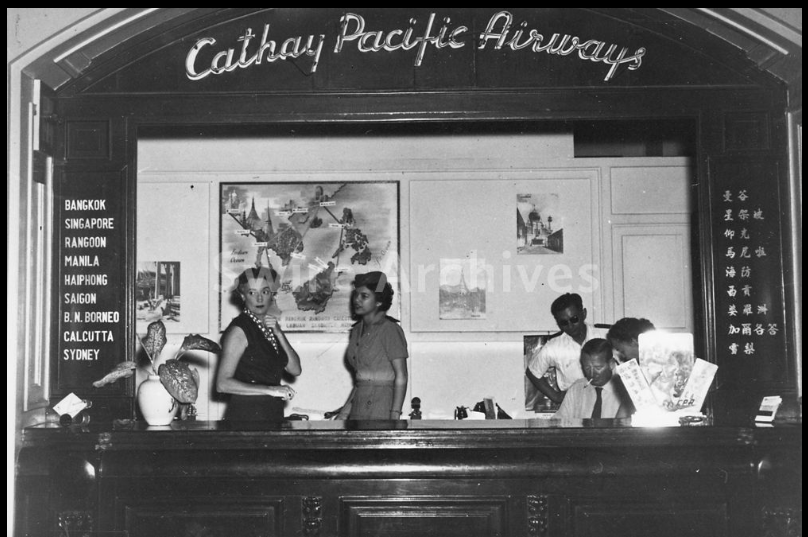
Triumphing over adversity
Cathay’s 80th anniversary celebrations come just a few years after one of the most challenging periods in the group’s history. The entire global aviation industry’s resilience was tested in the early 2020s due to the global pandemic, and Cathay was no exception.
Happily, over the past three years, Cathay has recorded a solid financial performance each year as it strived to rebuild the business. Reflecting on that journey, Ronald acknowledges the difficulties: “On the one hand, we fought hard to survive, which we did despite the extremely challenging environment. But on the other, we made deep transformations on many fronts so that we could come out stronger once the crisis had passed. By doing so, we were able to shift our focus on rebuilding and investing for the future.”
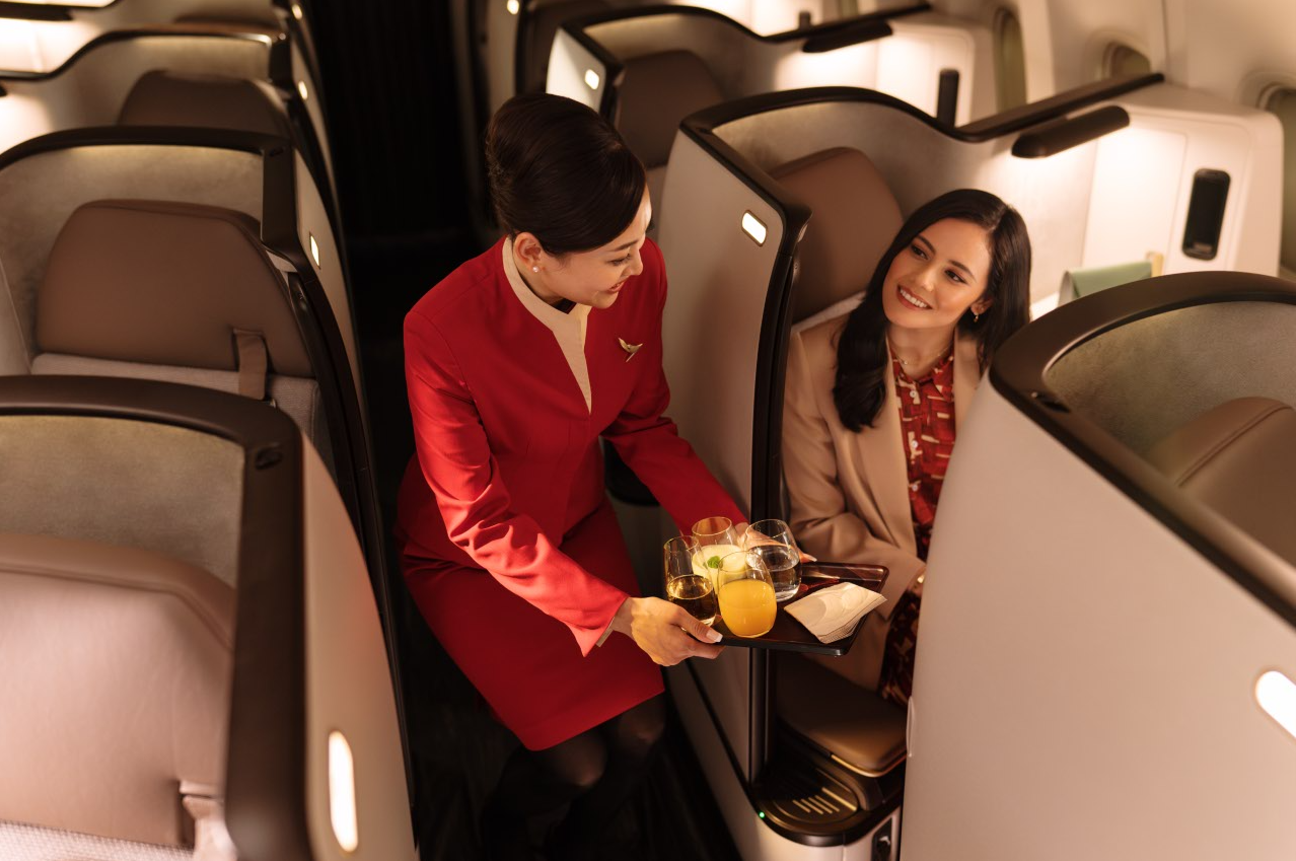
Investing for the future
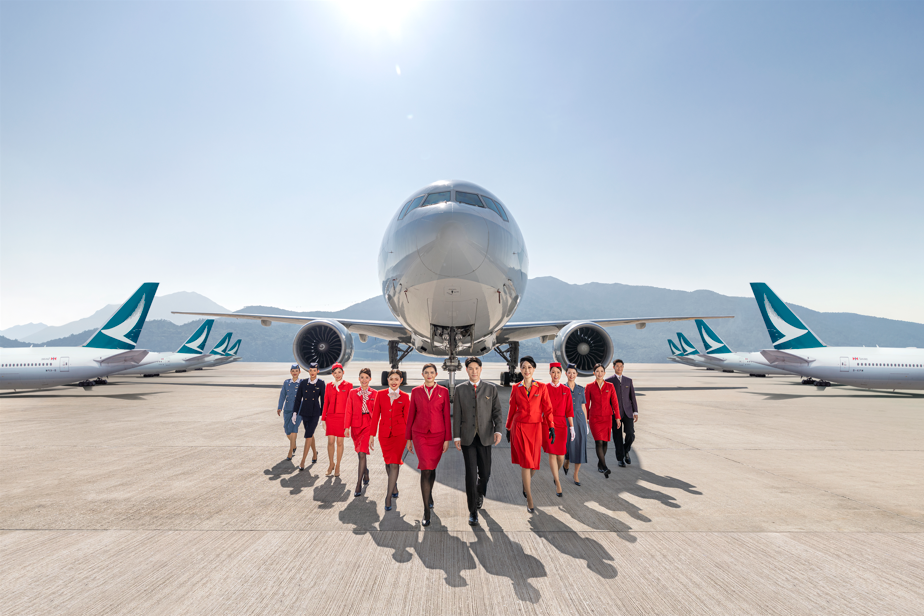
Celebrations to continue
Focusing on future horizons
Cathay 80 Years Together Special: The Journey Home
80 years together | BBC StoryWorks
Discover more stories here!