
版权 © 2024 太古股份有限公司。本公司保留一切版权。
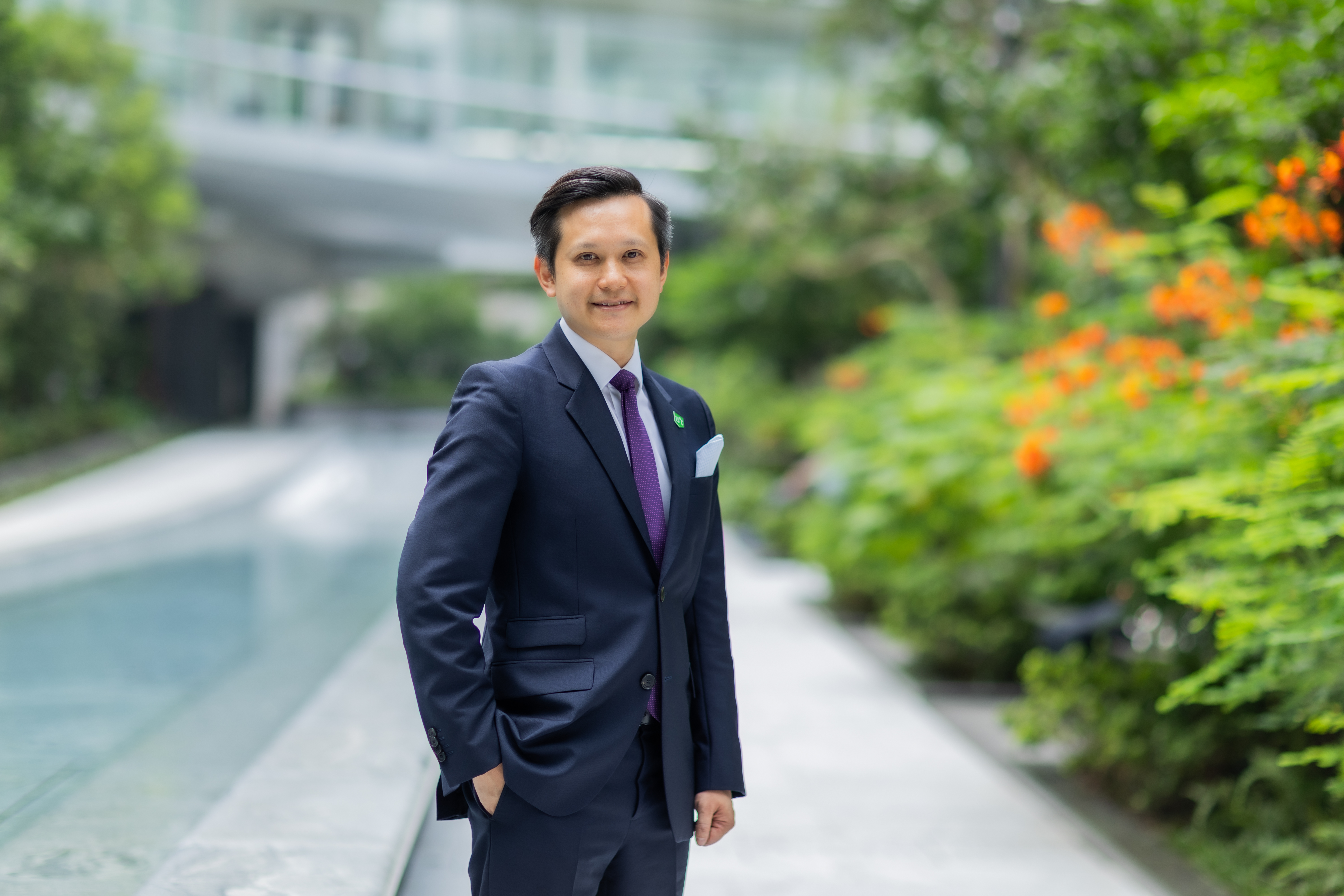
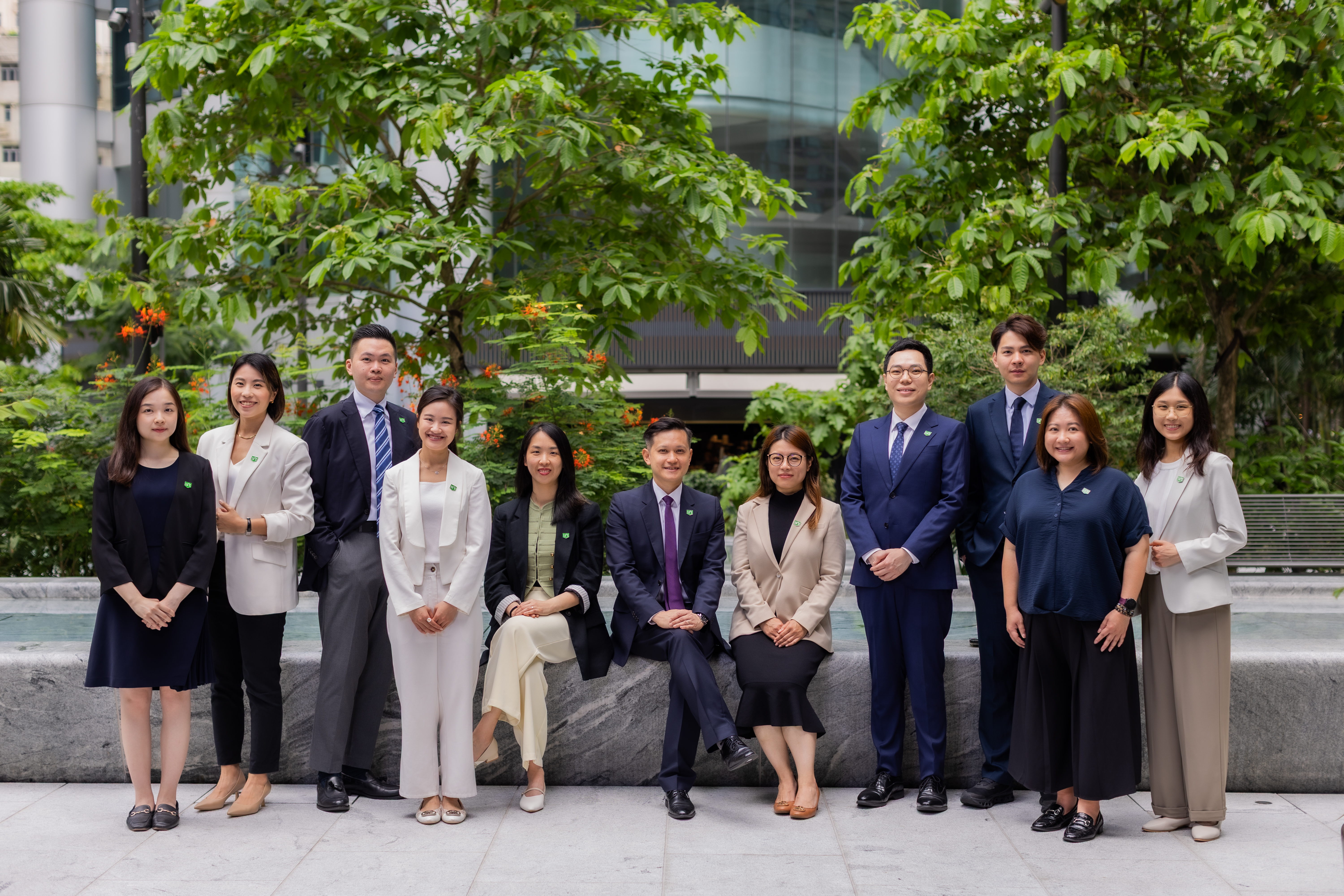
As the Head of Sustainability Development at Swire Properties, Patrick Ho plays a key role in bringing the company’s sustainability vision to life. From his early days managing Hong Kong’s biodiversity hotspots to helping guide Swire Properties’ recently launched Sustainable Development 2050 Strategy, Patrick reflects on his journey.
I grew up spending a lot of time outdoors. My parents took me camping and hiking and, as a Boy Scout, I trekked across many of Hong Kong’s country parks.
Camping in the wilderness – relying on stream water and cooking your own food – makes you realise how interconnected everything is. Those experiences shaped my belief that we need to protect the environment for future generations, which is what sustainability is really about.
How did that early interest turn into a career?
I was fortunate to have inspiring Biology teachers who encouraged me to study Ecology at university. After graduating, I joined WWF Hong Kong, where we managed some of Hong Kong’s most significant natural areas such as Mai Po Nature Reserve and Hoi Ha Wan Marine Park. Over time, my focus shifted towards climate change. I helped launch some of the first climate change-related initiatives in Hong Kong, including a personal carbon footprint calculator, and a pioneering carbon auditing and management tool for businesses.
That experience helped me understand the impact of the corporate sector, so I moved into a consultancy role to develop environmental management strategies and policies with the government as well as various companies, one of which was Swire Properties, which later invited me to join the team.
What made you say yes – and stick around for ten years?
Swire Properties has always had a very long-term mindset that aligns with my values. I joined in 2016, when the company was launching its Sustainable Development 2030 Strategy. It was an exciting time because we were starting to integrate sustainability into operations and decision-making in a much more structured way.
In the real estate industry, we have the privilege to work on both the “hardware” – buildings, energy systems and infrastructure – and the “software” – engaging tenants and communities on a wide spectrum of ESG topics such as energy efficiency and waste management. That combination allows us to create real impact as the business grows.
How has that impact evolved over time?
Back in 2016, we saw sustainability mainly as a corporate responsibility, but couldn’t yet quantify its value to the business. Today, we can clearly see the impact, thanks to our effective implementation of the SD 2030 Strategy over the past decade. For example, by establishing a Net-Zero carbon roadmap and science-based decarbonisation targets, we have progressively improved our energy efficiency, which helps reduce emissions, lower electricity costs and manage risks linked to fluctuating energy prices.
It’s also strengthened our competitiveness. Many of our tenants have their own sustainability goals and are looking for landlords and buildings that help them meet them. By offering best-in-class green buildings and smart tools that help them track energy use in offices and waste management in restaurants, we’re able to provide valuable support.
How do you explain your role to someone outside the industry?
I usually say my role is to help the company prepare for the future. We’re operating in a world facing increasing environmental challenges – from extreme weather to water stress – alongside shifting societal expectations around wellbeing and inclusion, evolving regulations and rising expectations when it comes to corporate responsibility. As we build and operate communities across Hong Kong, the Chinese Mainland and Southeast Asia, the question is how to ensure they thrive alongside our business and the environment in the long run.
What will you be focusing on going forward?
When I joined ten years ago, we were just starting to integrate our SD 2030 Strategy. Seeing how far we’ve come since then has been incredibly meaningful to me. For example, we ranked No. 1 on the Dow Jones Best-in-Class World Index 2024 in the Real Estate Management & Development Industry category, and now we’re building on that momentum.
In early April, we announced our refreshed SD 2050 Strategy, which takes a long-term view of the positive impact we’re hoping to achieve. Our goal is simple: we want to create the world’s most sustainable communities. What does that mean? It includes four long-term “Zero” commitments – Zero Harm, Net-zero Carbon, Zero Waste to Landfill, and Water Neutrality – supported by 140 measurable KPIs for 2030 and 2035. At the heart of it, we want to create communities that are genuinely better for people and the environment.
What does a sustainable community look like?
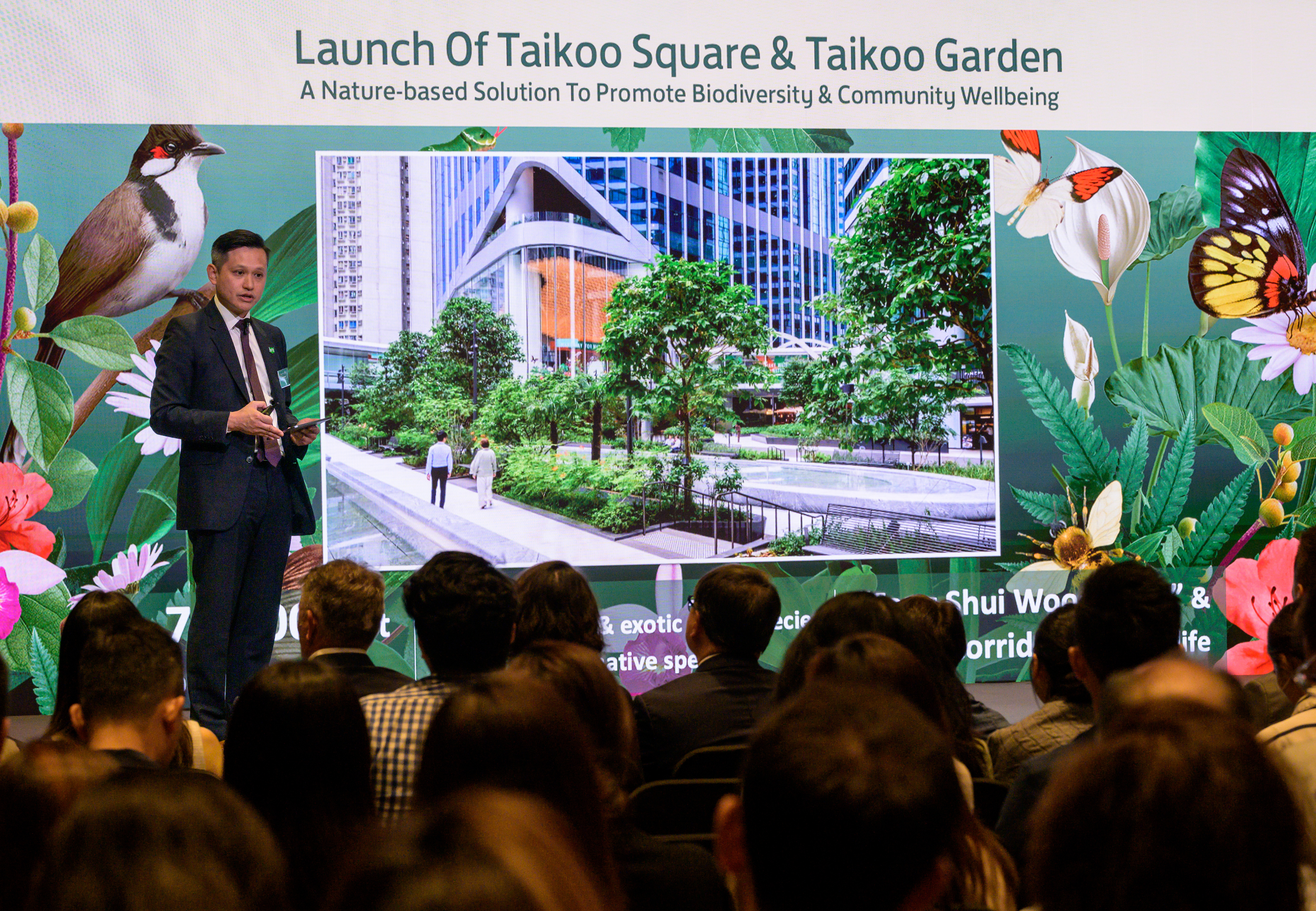
Taikoo Place in Quarry Bay is a great example. We recently created two new green spaces – Taikoo Square and Taikoo Garden – stretching across 70,000 sq ft. They were designed to feel more like an urban forest than a typical park. To boost urban biodiversity, we worked with our landscape architects and an ecologist from The University of Hong Kong to select over 260 native and exotic plant species, inspired by Hong Kong’s “feng shui woodlands”, that support local wildlife, like birds and butterflies.
Piloting nature technologies like bio-acoustic monitoring, we’ve identified rare bird species in Taikoo Square not previously recorded in the area. For the local community, the new green spaces also provide a cooler, more comfortable environment to improve the wellbeing of tenants and residents.
How do you switch off outside of work?
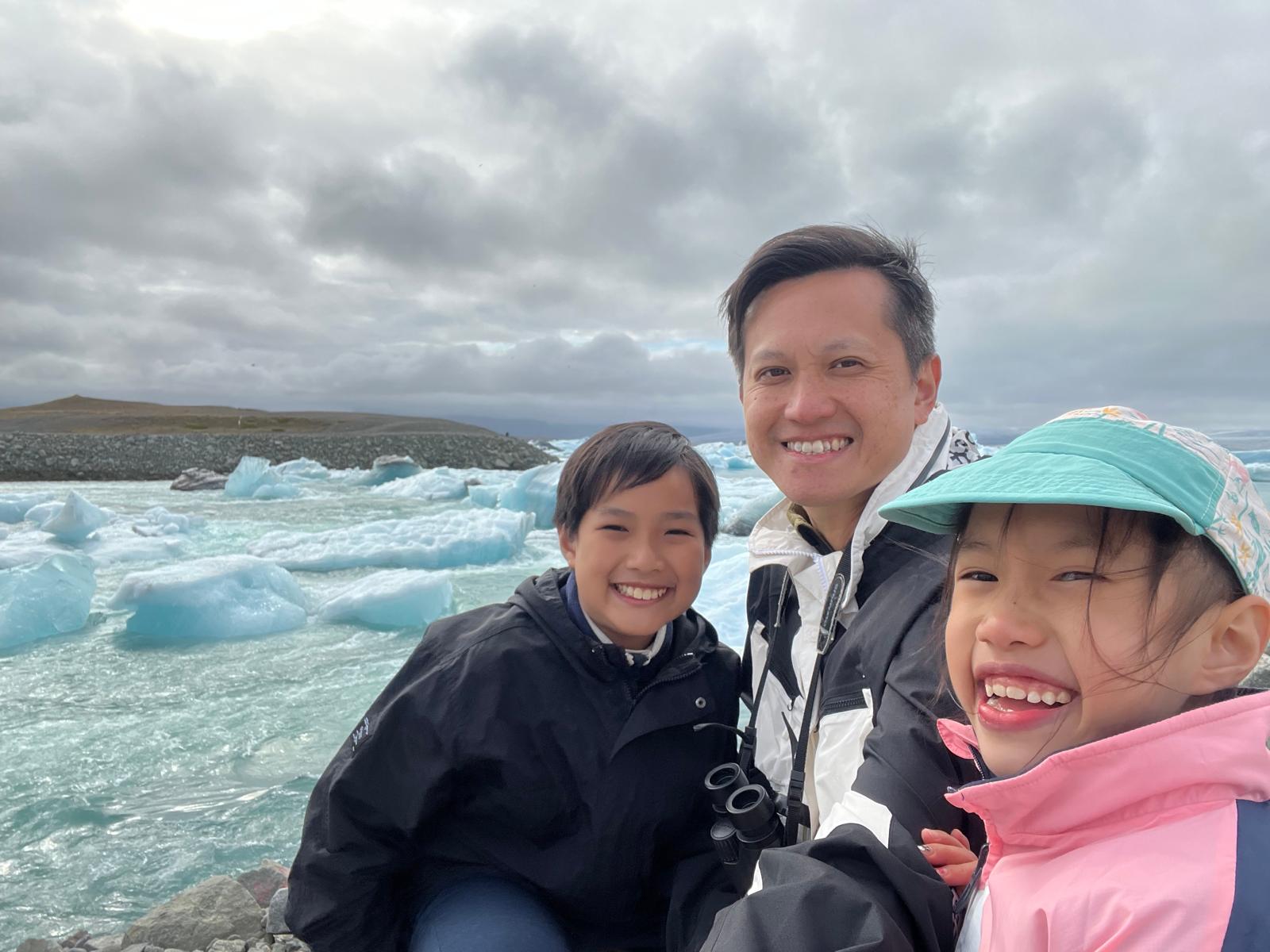
I still spend as much time in nature as I can. I enjoy scuba diving, observing wildlife and hiking, often with my two children. I especially love to bird-watch in Mai Po – a place that remains very special to me.
Discover more stories here!