Copyright © 2024 Swire Pacific Limited. All rights reserved.
Companies, communities and ecosystems depend on access to reliable supplies of clean water. Population growth and economic development are putting increased pressure on the planet’s limited freshwater resources, with the UN forecasting a 40% shortfall by 2030. Today, climate change is primary seen in extreme weather events and unpredictable rainfall impacting the availability and quality of freshwater.
We use water in the production of beverages, for cleaning and cooling our facilities, and in providing services to our customers. By practising water stewardship, we aim not only to safeguard our business but to contribute positively to water security within our sphere of influence.
Companies, communities and ecosystems depend on access to reliable supplies of clean water. Population growth and economic development are putting increased pressure on the planet’s limited freshwater resources, with the UN forecasting a 40% shortfall by 2030. Today, climate change is primary seen in extreme weather events and unpredictable rainfall impacting the availability and quality of freshwater.
We use water in the production of beverages, for cleaning and cooling our facilities, and in providing services to our customers. By practising water stewardship, we aim not only to safeguard our business but to contribute positively to water security within our sphere of influence.
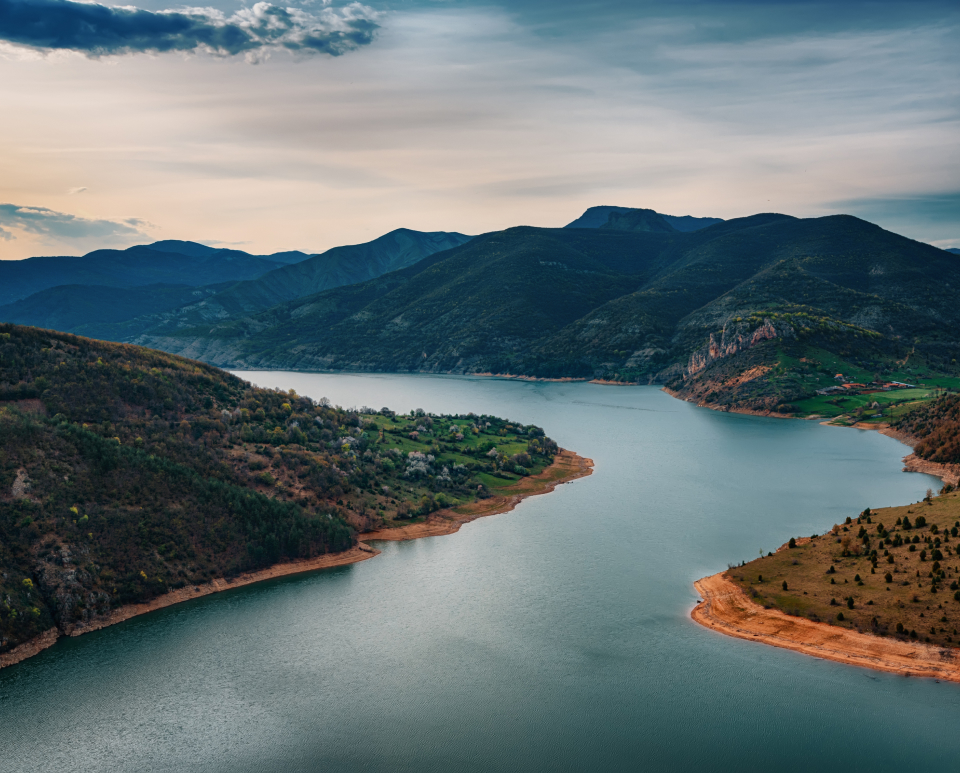

Water availability is highly location dependent. We use the World Resources Institute’s (WRI) Aqueduct Water Risk Atlas to assess baseline water stress across our global operating locations. Understanding location specific water risks can inform a more targeted and strategic approach to water management, allowing focus on sites with the highest risks.
Swire Coca-Cola evaluates site-specific water risks, including water availability and quality, for each bottling plant using The Coca-Cola Company’s guidelines on Source Vulnerability Assessment (SVAs). Following SVAs, plants prepare water management plans (WMPs). All its manufacturing sites have third-party validated SVAs and WMPs.