
Copyright © 2024 Swire Pacific Limited. All rights reserved.
As the Master of MV Aotearoa Chief, Captain Maree Turner is Swire Shipping's first woman Master in New Zealand and the third in the company's history. In this interview, she reflects on her journey from teenage cadet to commander and shares her thoughts on teamwork, continuous improvement and supporting women at sea.
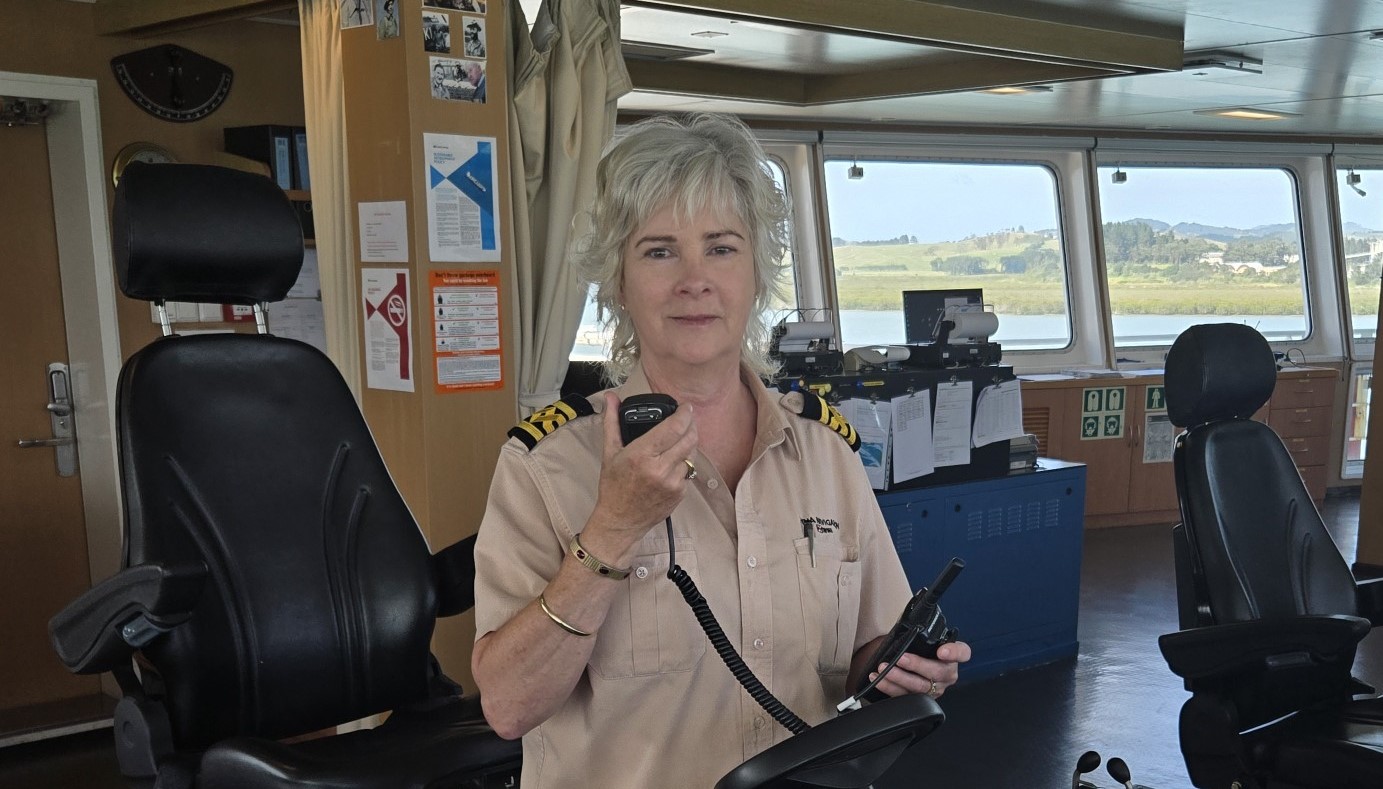
Growing up, it was unheard of for a woman to work in commercial shipping. But when my father met the first woman ever hired by a shipping company in New Zealand, he thought it sounded like a good job. So, I applied and, after finishing high school, became the third woman to join.
I spent the next decade gaining sea time for my Master Class 1 – that's the highest certification for a ship captain, required to command vessels over 500 gross tons – before starting a family. At the time, we were told: "If you have children, you can't have this career." I didn't accept that. I moved ashore for 18 years to raise my three children while working in shipping and completing a postgraduate diploma in management studies.
When I returned to sea in 2011, many things had shifted to electronic, so I just put my head down and learned the systems. I later joined Swire Shipping in 2016 and became Master of Aotearoa Chief, a bulk cement carrier, in 2023.
Ship handling – it has always been my favourite part of the job. The wind, tide, everything is in motion, so you're constantly adjusting. I love the challenge. Since returning to sea, I've earned Pilot Exempt Certificates (PECs) for five ports in New Zealand, allowing me to operate in those ports without a pilot – a milestone that requires years of training and ongoing testing.
Each tour of duty lasts around a month away from home. Every day is different; a short run might involve a few hours at sea. Other times, we have two days at sea. Between manoeuvres, I handle management and operational work, including booking the ship into port, preparing payroll, and coordinating with the onshore teams. We also constantly monitor weather, assess risk and plan ahead, so the ship, crew and cargo are never put in an unsafe situation.
It built on my operational expertise, strengthening my people-management skills and deepening my understanding of how our ship supports the wider supply chain and business.
Teamwork is essential. Shipping works better when everyone, from junior officers to engineers to catering crew, collaborates. I involve the team in the planning and decision-making processes and encourage people to speak up. As the captain, I also get to set the culture and decide how the ship feels. And instead of recreating the hardships I faced earlier in my career, I try to create a supportive environment for the next generation.
When I train officers in ship handling, I'll say, "If you find a better way, tell me." And they do – one officer recently tried a different approach on his first supervised pilotage, and it worked beautifully. I am always learning from the younger officers.
Slowly – much slower than other professions like aviation. When I started, we understood that, if we didn't perform well, no more women would be hired. But we were determined and, over time, we proved that women belonged.
Today, I still don't see many women captains, but I'm seeing more women in tug operations, launch crews and ports. Visibility makes a real difference because it normalises women in shipping, and that can lead to real change.
It's incredibly encouraging, and it didn't happen by accident. Swire Shipping actively recruits women and assigns trainees to the fleet, including to Aotearoa Chief, knowing they'll be supported. That early experience is critical because it shows young women what's possible and gives them a positive introduction to shipboard life.
The doors are absolutely wide open at the moment. There are lots of opportunities – port companies, shipping lines and pilot organisations are actively looking for diverse talent.
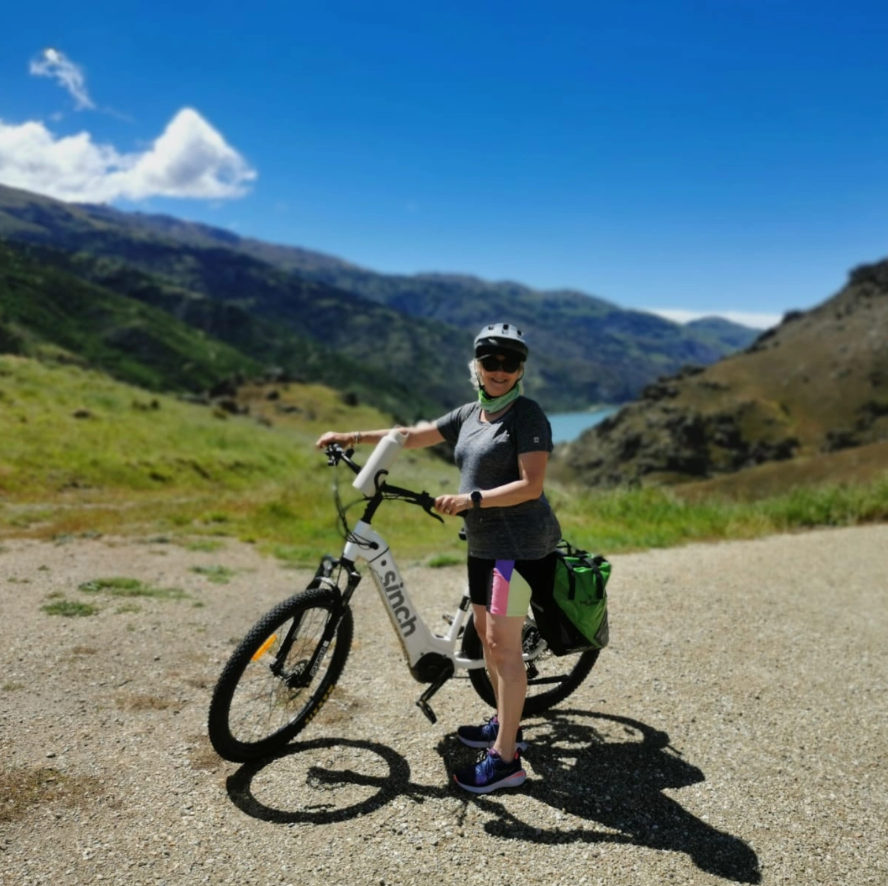
I like to do yoga, catch up with friends, garden and get outdoors. I especially love doing short hill walks around Christchurch and recently cycled the 200km Otago Rail Trail with friends, which was an incredible adventure.